
Moving to Australia from the UK starts with your visa, then a shipping plan built around it. British citizens need a visa even to visit, according to GOV.UK. Sea freight carries most of a household’s belongings, and air freight suits the few essentials you need quickly.
Australia’s border checks are strict, so how clean and well listed your belongings are matters as much as how they travel. This guide covers shipping options, realistic timings, market costs, customs and quarantine basics, pets and cars, and a planning checklist.
Pask’s Removals is a family-run removals company based in Eltham, SE9. Long-haul moves such as Australia typically travel by sea freight container, as our international removals page sets out.
At a glance
- Visa first: your visa sets your arrival date, so fix it before you fix shipping dates (Home Affairs visa finder).
- Three ways to ship: a sole container, a shared container or air freight. Sea freight suits a full home.
- Door to door: roughly 7 to 14 weeks by sea and 5 to 10 days by air, on market estimates (Sirelo).
- Market cost: about £3,000 for a one-bed flat up to £14,400 for a five-bed house, shipped by sea from London (Sirelo).
- Biosecurity: every shipment of personal effects is assessed, so clean, list and declare what you pack (DAFF).
Which Shipping Option Suits Your Move?
There are three main options: a sole container, a shared container or air freight. The right mix depends on how much you are sending and how quickly you need it.
| Option | Suits | Door to door | How it is priced | Trade-off |
|---|---|---|---|---|
| Sole container | A full family home or high-value furniture | The quicker of the two sea options (Sirelo) | Per 20ft or 40ft container | You pay for the whole container, full or not |
| Shared container | Flats and part loads | Can stretch to 22 weeks while the container fills (Sirelo) | By the space your goods take up | Less control over the sailing date |
| Air freight | Clothes, documents and kit for the first weeks | Around 5 to 10 days (Sirelo) | Far higher rates than sea freight | Only sensible for a small consignment |
You can combine options: the bulk of the home by sea, plus a small air consignment for the first weeks. On long-haul moves, we help you match the container to your volume, work with freight partners at the Australian port and prepare the UK export paperwork. If you are still comparing movers, our guide to choosing an international removal company lists the checks worth making before you book.
How Long Does a Move to Australia Take?
By sea, plan for roughly 7 to 14 weeks from collection to delivery. Comparison site Sirelo breaks that down into stages:
- Packing, collection and consolidation in the UK: 1 to 2 weeks
- Port handling and export clearance: 3 to 7 days
- Sailing time: 40 to 50 days
- Customs clearance in Australia: 5 to 10 days
- Final delivery: 3 to 7 days, depending on the address
Those are third-party estimates, and a shared container can take longer. Your written quote sets out the timings for your own move.
Book early. For sea freight, our international removals page recommends allowing eight to twelve weeks ahead of your move date for container booking and port processing.
How Much Does It Cost to Move to Australia from the UK?
A sea move from London costs roughly £3,000 to £14,400 on market estimates, and the figure rises with the number of bedrooms. The figures below come from Sirelo’s Australia guide, checked in October 2026. Treat them as a guide to the market, not as Pask’s Removals prices.
| Home size | Market estimate by sea from London |
|---|---|
| 1-bed flat | £3,000 to £4,200 |
| 2-bed house | £4,000 to £6,500 |
| 3-bed house | £6,900 to £9,500 |
| 4-bed house | £8,800 to £11,000 |
| 5-bed house | £10,700 to £14,400 |
Container prices vary with the destination port. Sirelo puts a 20ft container at £7,700 to £15,700 and a 40ft container at £15,200 to £24,800, with Perth at the lower end of both.
What moves your own price most:
- Volume: the less you ship, the smaller the container or shared space you pay for.
- Destination: the port, and how far your new home is from it.
- Packing: export packing protects goods on a voyage of several weeks.
- Storage: holding goods at either end while dates line up.
We do not publish set prices for any move. Once we have surveyed your home by video or in person, you receive a written fixed-price quote, so you know what is included before you commit.
What Else Should You Allow For?
The shipment is one cost among several. Allow for these too:
- Visa charges: set by Home Affairs for each visa route.
- Biosecurity charges: DAFF bills document checks and inspections by the time they take, plus any treatment (DAFF).
- Port-side fees: goods may go to an approved site that charges unpacking, handling or storage fees. DAFF advises confirming these with your removals company or freight forwarder.
- Duty and GST: due on goods that do not qualify for the personal effects concession (see the next section).
What Do Australian Customs and Quarantine Check?
Two agencies clear your shipment: the Australian Border Force (ABF) for customs and DAFF for biosecurity. Your goods are not released until both have finished.
Customs: the Unaccompanied Personal Effects Statement
Household goods that arrive separately from you are called unaccompanied personal effects. To clear them, you complete the Unaccompanied Personal Effects Statement (B534 form), which must be completed in English. It is a legal declaration to both agencies.
If you and your goods are eligible, the concession clears them without customs duty or GST. The ABF sets out the main conditions:
- Ownership: furniture and household goods must have been owned and used by you for 12 months before you leave for Australia.
- Evidence: the ABF may ask for receipts, photos or a statutory declaration showing how long you have owned an item.
- Timing: you must arrange the shipment before you arrive in Australia.
- Exclusions: alcohol, tobacco, motor vehicles and goods for sale do not qualify.
Newer items can still travel. They are assessed for duty and taxes, so keep their receipts with your paperwork. The final decision on the concession rests with the ABF.
Biosecurity: what DAFF looks for
DAFF assesses every B534 form and packing list, then decides how much of the shipment to inspect. It is most interested in anything made from plants or animals, including timber, and anything that has touched soil, water, food, plants or animals. If an item fails, it may be treated, sent back or destroyed at your expense, according to DAFF.
Leave these out of your shipment altogether:
- fresh fruit and vegetables
- live plants, bulbs and cuttings
- prohibited, restricted or unidentified seeds, including spices
- dirty goods or goods with organic residues
- flammables such as fireworks, aerosols, solvents and paint thinners
- live animals that need an import permit, as pets travel separately
Clean and dry these before packing day:
- lawnmowers and barbecues, drained of standing water
- garden furniture, pots, tools and outdoor toys
- bikes, football boots, golf clubs, tents and walking boots
- pet beds, cages and grooming kit, with all hair removed
- rugs and mats, vacuumed
Check wooden furniture for fresh holes or powdery dust, which can point to insects. DAFF says Christmas decorations containing plant material, such as pine cones, are among the items most often given up for destruction.
Why a clear packing list saves money
Inspection charges depend on time, so a list that lets an officer find things fast keeps the bill down. DAFF asks for numbered boxes (“Box 1 of 12”), the contents of each box and what items are made from, such as “wooden chair” or “metal bed frame”. It also says not to reuse fruit, meat or egg boxes, or to pack with straw or sawdust.
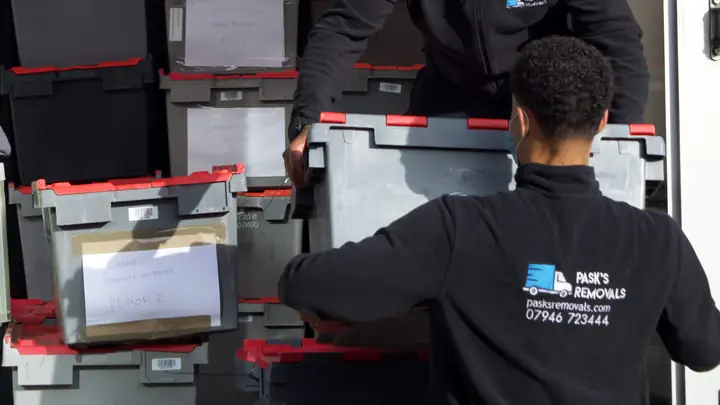
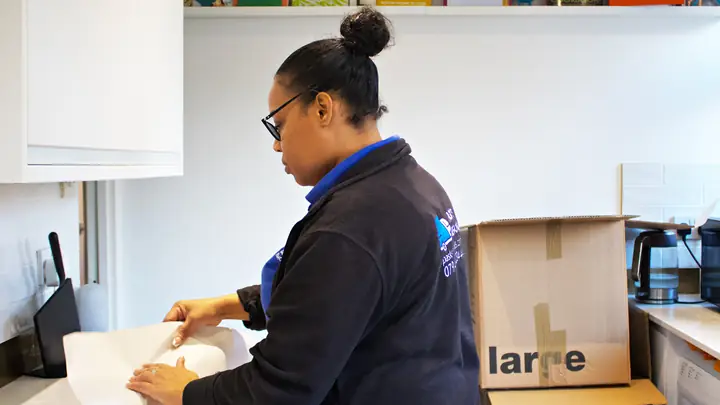
Our crew packs with export-grade materials and labels every box. Each move comes with a detailed inventory, a useful starting point for the packing list DAFF asks for.
Can You Bring Your Pets and Car to Australia?
Yes, but both need their own approvals, well before your belongings ship.
Pets
The UK is a Group 3 country in DAFF’s pet import rules, so the full process applies and takes at least six months. For dogs, the main steps are:
- an ISO-compatible microchip and a rabies vaccination
- a rabies blood test (RNATT), then a wait of at least 180 days after the sample reaches the laboratory
- an import permit, which DAFF usually issues in 20 to 40 business days
- a flight as cargo directly into Melbourne
- quarantine at Mickleham for at least 30 days, cut to 10 days if an official vet verified your dog’s identity before the blood test
Cats follow a separate DAFF guide with the same 10-day minimum stay. DAFF recommends using an experienced pet transport agent.
Cars
Do not book transport for a car until you hold an import approval. The ABF says importing a road vehicle without one is an offence, and applications are generally assessed within 30 working days. They go through the Department of Infrastructure’s ROVER system.
The car must arrive clean inside and out. DAFF inspects used vehicles in full on arrival, and its cleaning checklist covers the wheels and mud guards, engine bay, boot and the space under the seats.
Cars are not covered by the personal effects concession, so add duty, GST and inspection charges to the freight cost. Then compare the total with selling here and buying in Australia.
What Should You Plan First?
Work backwards from your visa and your pets, then fit the shipment around them. This checklist sets out the order.
| When | What to do |
|---|---|
| At the start | Choose your visa route on the Home Affairs site. If a pet is coming, book the microchip check, rabies vaccination and blood test now. |
| While the visa is processed | Book a removals survey. Decide what to ship, sell or store, and whether a car is worth importing. |
| Once the visa is granted | Fix your dates and book sea freight eight to twelve weeks ahead. If you are shipping a car, apply for its import approval. |
| The last month | Clean garden kit, bikes and boots. Check wooden items. Set aside documents, receipts and clothes for the air consignment or your suitcase. |
| Packing week | Our crew packs, labels the boxes and builds the inventory. Complete your B534 form in English, ready for arrival. |
| After arrival | Lodge the B534 form, yourself or through a customs broker, and attend any DAFF inspection. Then arrange delivery to your new address. |
Want a plan and a written price for your move? Send us your moving dates, the address we collect from and the Australian city you are heading to. Movers and Goods in Transit insurance applies to every job, and our customers have left 1,000+ reviews across Google and Trustpilot.
Moving to Australia from the UK: Common Questions
How long does it take to ship belongings from the UK to Australia?
By sea, allow roughly 7 to 14 weeks door to door, while air freight takes about 5 to 10 days, on Sirelo’s estimates. A shared container can take longer because it waits for other loads. We confirm the timings for your move in your quote.
What does a move to Australia cost?
Sirelo’s market estimates for a sea move from London range from about £3,000 for a one-bed flat to £14,400 for a five-bed house. They are published market figures, not quotes from us. Visa charges, biosecurity charges and port-side fees come on top.
Do I pay import duty on my furniture?
Usually not, if you and your goods qualify for the personal effects concession. Furniture and household goods must have been owned and used by you for 12 months before you leave for Australia. Newer items are assessed for duty and GST, so keep the receipts. The Australian Border Force makes the final decision.
Can I ship garden furniture and bikes to Australia?
Yes, as long as they arrive clean and free of soil, plant material and insects. DAFF inspects outdoor items closely. Anything dirty may be treated, sent back or destroyed at your cost, so clean and dry everything before packing day.
Do you handle visas or Australian customs clearance?
We do not give visa advice, but we do prepare the UK export documentation and a detailed inventory for your packing list. The B534 form is your own legal declaration, lodged by you or a customs broker in Australia. Visa questions go to Home Affairs or a registered migration agent.
Start Planning Your Move to Australia
Every plan starts with your dates and your new address. Request a quote to get a written price and a clear timeline for moving to Australia from the UK.